Empower Your Mind: Yoga for Women's Wellness
Yoga is more than just a physical practice; it is a holistic approach to wellness that nurtures the mind, body, and spirit. For women, yoga can be particularly empowering, offering tools to manage stress, enhance physical health, and foster a deeper connection with oneself. In this blog post, we will explore the various benefits of yoga for women's wellness, practical tips for incorporating yoga into your daily routine, and specific practices tailored to women's unique needs.
Understanding the Benefits of Yoga for Women
Yoga provides a multitude of benefits that can significantly enhance women's health and well-being. Here are some key advantages:
Physical Health Benefits
Improved Flexibility: Regular yoga practice increases flexibility, which can help prevent injuries and improve overall physical performance.
Strength Building: Many yoga poses require strength and stability, helping to build muscle tone and endurance.
Enhanced Posture: Yoga encourages awareness of body alignment, which can lead to better posture and reduced back pain.
Hormonal Balance: Certain yoga practices can help regulate hormonal fluctuations, which is particularly beneficial during menstruation, pregnancy, and menopause.
Mental and Emotional Well-Being
Stress Reduction: Yoga promotes relaxation and reduces stress through deep breathing and mindfulness techniques.
Enhanced Mood: Regular practice can lead to improved mood and decreased symptoms of anxiety and depression.
Increased Mindfulness: Yoga encourages present-moment awareness, helping women connect with their thoughts and feelings more deeply.
Spiritual Growth
Self-Discovery: Yoga provides a space for introspection, allowing women to explore their inner selves and discover their true desires.
Empowerment: Engaging in a consistent yoga practice can foster a sense of empowerment and confidence.
Incorporating Yoga into Your Daily Routine
Integrating yoga into your daily life doesn't have to be overwhelming. Here are some practical tips to help you get started:
Start Small
If you're new to yoga, begin with just a few minutes each day. Gradually increase the duration as you become more comfortable. Even a short practice can be beneficial.
Create a Dedicated Space
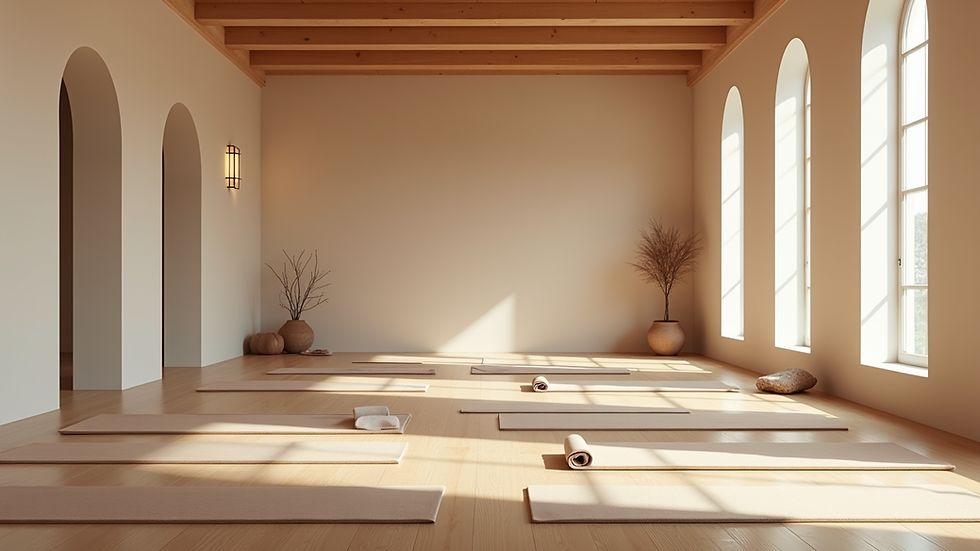
Designate a specific area in your home for yoga practice. This space should be quiet, calming, and free from distractions. Having a dedicated space can enhance your focus and commitment.
Use Online Resources
There are numerous online platforms offering guided yoga classes for all levels. Websites and apps like Yoga with Adriene, Glo, and Down Dog provide a variety of classes tailored to different needs and preferences.
Join a Community
Consider joining a local yoga studio or community group. Practicing with others can provide motivation, support, and a sense of belonging.
Listen to Your Body
Yoga is about tuning into your body and respecting its limits. Pay attention to how you feel during each pose and modify as needed. It's essential to practice self-compassion and avoid pushing yourself too hard.
Specific Yoga Practices for Women's Wellness
Different stages of a woman's life can benefit from specific yoga practices. Here are some tailored approaches:
Yoga for Menstrual Health
Certain poses can help alleviate menstrual discomfort and promote relaxation. Consider incorporating the following into your practice:
Child's Pose: This restorative pose can help relieve cramps and promote relaxation.
Cat-Cow Stretch: This gentle flow can ease tension in the lower back and abdomen.
Reclined Bound Angle Pose: This pose opens the hips and encourages relaxation.
Yoga for Pregnancy
Pregnancy is a transformative time, and yoga can support physical and emotional well-being. Some beneficial poses include:
Warrior II: This pose strengthens the legs and opens the hips, promoting stability.
Cat-Cow Stretch: This gentle movement can alleviate back pain and improve flexibility.
Seated Forward Bend: This pose encourages relaxation and can help relieve tension in the lower back.
Yoga for Menopause
As women transition through menopause, yoga can help manage symptoms such as hot flashes and mood swings. Consider these poses:
Supported Bridge Pose: This pose can help alleviate anxiety and promote relaxation.
Legs-Up-the-Wall Pose: This restorative pose can help reduce fatigue and improve circulation.
Corpse Pose: This final relaxation pose encourages deep relaxation and stress relief.
Mindfulness and Meditation in Yoga
Incorporating mindfulness and meditation into your yoga practice can enhance its benefits. Here are some techniques to consider:
Breath Awareness
Focus on your breath during your practice. Deep, intentional breathing can help calm the mind and enhance relaxation.
Guided Meditations
Consider incorporating guided meditations into your routine. Many online resources offer meditation practices specifically designed for women.
Journaling
After your yoga practice, take a few moments to journal your thoughts and feelings. This can help deepen your self-awareness and promote emotional healing.
Building a Sustainable Yoga Practice
Creating a sustainable yoga practice requires commitment and intention. Here are some strategies to help you stay on track:
Set Realistic Goals
Establish achievable goals for your yoga practice. Whether it's practicing three times a week or mastering a specific pose, setting realistic goals can help you stay motivated.
Track Your Progress
Keep a journal to track your yoga journey. Documenting your experiences can provide insight into your growth and help you stay accountable.
Be Flexible
Life can be unpredictable, and it's essential to be flexible with your practice. If you miss a session, don't be too hard on yourself. Simply return to your practice when you can.
Conclusion
Yoga is a powerful tool for women's wellness, offering physical, mental, and emotional benefits. By incorporating yoga into your daily routine, you can empower yourself to lead a healthier, more balanced life. Remember to start small, listen to your body, and explore the various practices that resonate with you. Embrace the journey of self-discovery and wellness through yoga, and empower your mind and body for a brighter future.
Take the first step today by rolling out your mat and connecting with your breath. Your journey to wellness begins now.


Comments